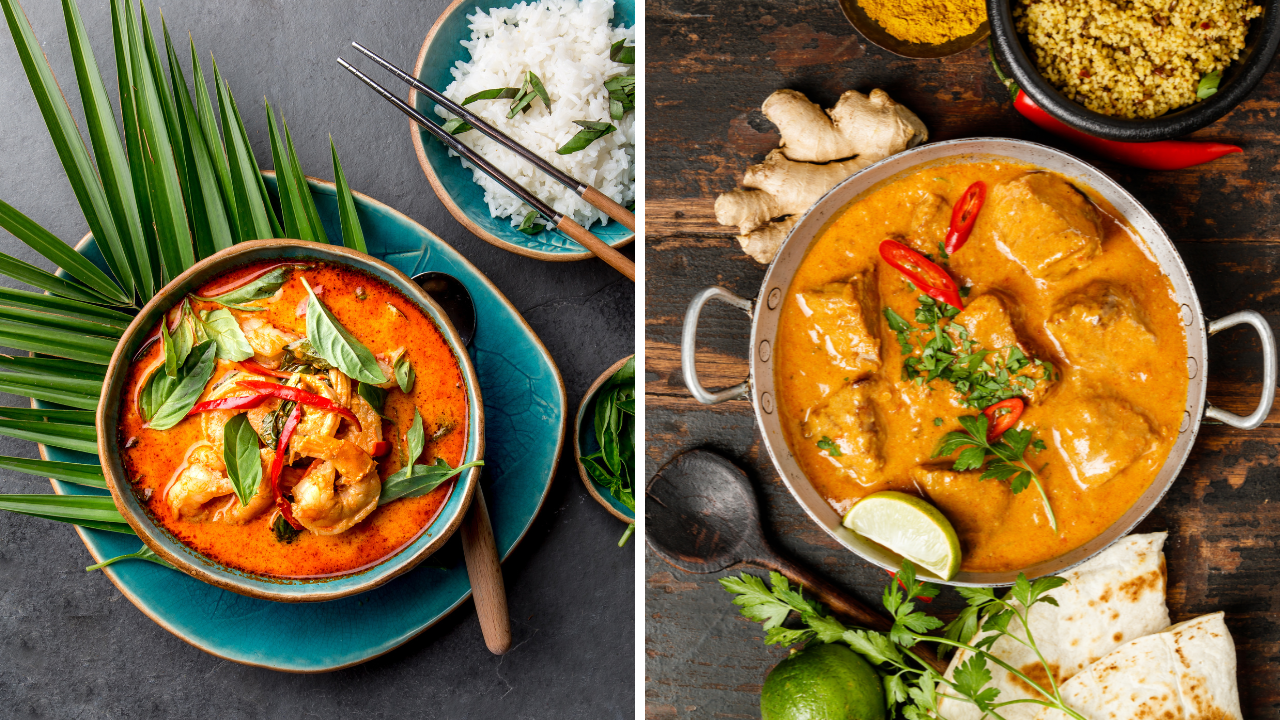
Thai Curry vs. Indian Curry: What's the Difference?
Thai curry and Indian curry are both loved around the world for their bold flavors, aromatic spices, and comforting textures. But despite sharing the word “curry,” they are quite different in how they are made, what ingredients they use, and how they taste.
If you’re new to Asian cuisine, understanding the difference can help you choose the right curry—or inspire you to try something completely new.
What Is Thai Curry?
Thai curry is known for its fresh, aromatic, and balanced flavors. Thai curry pastes are traditionally made by blending ingredients such as chilies, garlic, shallots, lemongrass, galangal, kaffir lime, and spices into a fragrant paste.
Common Thai curries include:
Red Curry – rich, aromatic, and moderately spicy
Green Curry – fresh, herbal, and often quite spicy
Yellow Curry – milder and warmer, with influences from spices such as turmeric
Panang Curry – rich, creamy, and slightly sweet
Massaman Curry – mild and aromatic, with influences from Persian and Indian cuisine
Thai curries are often cooked with coconut milk, giving them a creamy texture and helping balance the heat and aromatics.
What Is Indian Curry?
Indian curry is not just one type of dish. India has an incredibly diverse range of regional cuisines, each with its own curry styles and spice combinations.
Indian curries commonly use dried spices and spice blends, such as:
Turmeric
Cumin
Coriander
Cardamom
Cinnamon
Cloves
Garam masala
Depending on the region and recipe, Indian curry may be made with tomatoes, yogurt, cream, coconut milk, lentils, or other ingredients.
The result can range from mild and creamy to deeply spiced and intensely hot.
Thai Curry vs. Indian Curry: The Main Differences
1. Curry Paste vs. Dry Spices
One of the biggest differences is how the flavor base is created.
Thai curry often starts with a freshly prepared curry paste containing aromatic ingredients, chilies, herbs, and spices.
Indian curry often builds its flavor through combinations of dried spices that are toasted or cooked in oil to release their aromas.
2. Fresh Aromatics vs. Warm Spices
Thai curry tends to highlight fresh ingredients such as lemongrass, galangal, garlic, shallots, and lime leaves.
Indian curry commonly features warm, earthy spices such as cumin, coriander, turmeric, cardamom, and cinnamon.
This gives Thai curry a more fresh, fragrant, and citrusy character, while Indian curry often has a warm, earthy, and deeply spiced flavor profile.
3. Coconut Milk
Coconut milk is frequently used in Thai curries, particularly popular varieties such as red, green, and Panang curry.
Indian cuisine also uses coconut milk in some regional curries, particularly in southern and coastal India, but many Indian curries are instead based on tomato, yogurt, cream, onions, or other ingredients.
4. Flavor Balance
Thai cuisine is famous for balancing several flavors in one dish—spicy, salty, sweet, sour, and aromatic.
Indian curries can also have complex layers of flavor, but the emphasis often comes from the combination and layering of spices.
So, Which One Is Spicier?
It depends!
Thai curry can be surprisingly spicy, especially green curry, but the level of heat varies depending on the chilies and recipe.
Indian cuisine also has plenty of spicy curries, but many are more focused on complex spice aromas and depth rather than simply heat.
In other words:
Thai curry: Fresh + spicy + aromatic + balanced
Indian curry: Warm + earthy + deeply spiced + aromatic
Thai Curry or Indian Curry?
There’s no winner here—they’re simply different.
If you love fresh herbs, coconut milk, chili, and bright aromatic flavors, Thai curry might be your perfect match.
If you love warm spices, rich aromas, and complex layers of seasoning, Indian curry might be calling your name.
And if you love both?
Excellent. More curry for everyone.
Bring Curry to Your Kitchen
You don't need to be a professional chef to enjoy great curry at home. With PAK PRIK Thai curry paste, you can bring bold Thai flavors into your everyday cooking with just one sachet.
Use it for a classic Thai curry—or get creative with stir-fries, fried rice, noodles, and more.
THAI pastes you might like
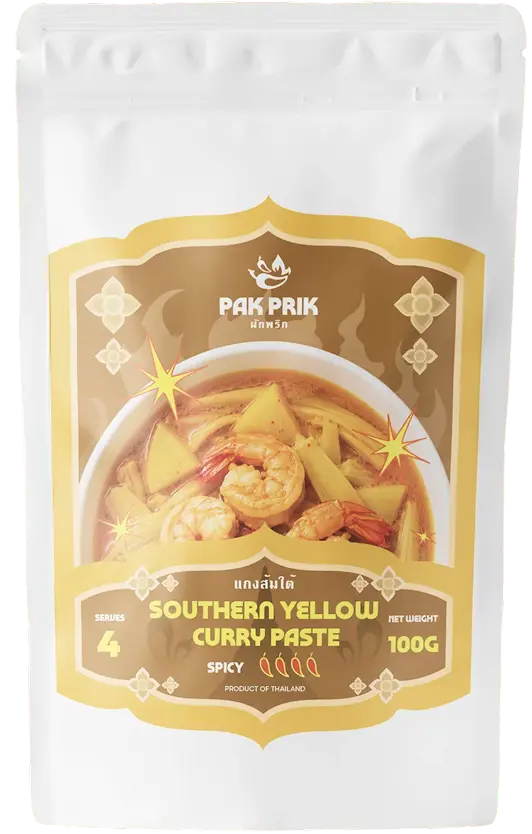
Southern yellow curry paste
A bold Southern Thai curry paste infused with turmeric and aromatic spices, delivering the authentic spicy and tangy flavors of traditional Southern sour curry.
THB 100.00
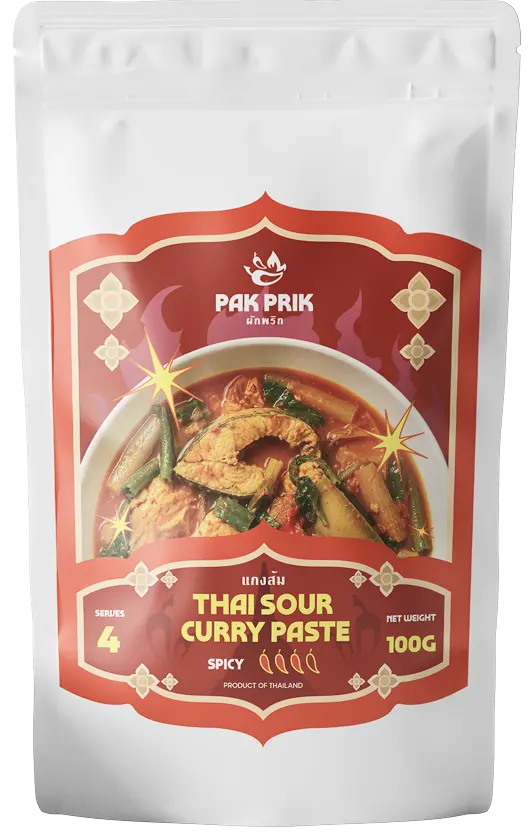
Thai sour curry paste
A vibrant blend of tangy and spicy Thai spices, perfect for creating authentic sour curry with its distinctive bold and refreshing flavor.
THB 100.00
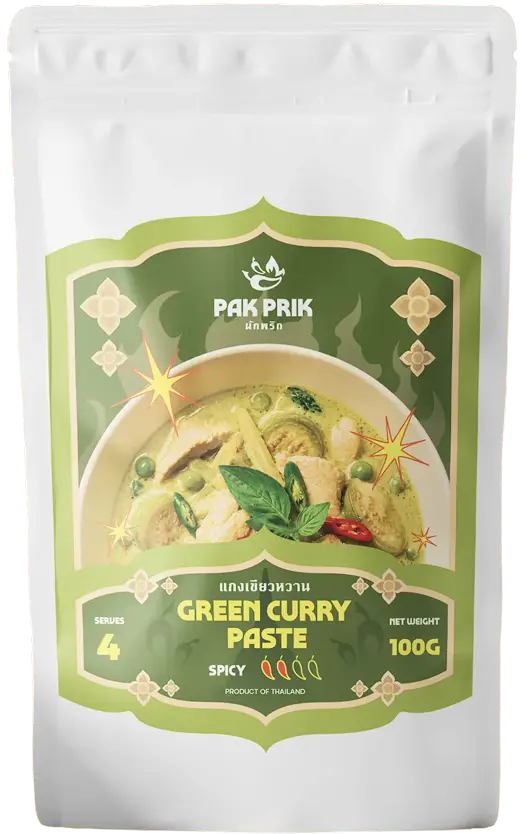
Green curry paste
A fragrant blend of green chilies, lemongrass, and Thai basil for an authentic, rich, and aromatic green curry experience.
THB 100.00
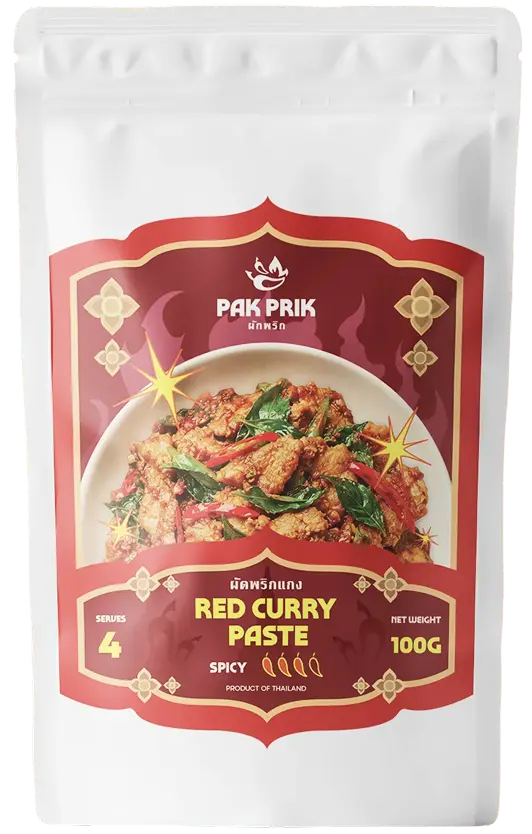
Red curry paste
A bold and savory Thai curry paste, stir-fried to release its aromatic spices, delivering rich flavor and satisfying heat in every bite.
THB 100.00